
 EN
EN FR
FR ES
ES DE
DE PT
PT NL
NL CS
CS PL
PL DA
DA IT
IT RO
RO FI
FI NO
NO SV
SV
Gloves are often described by their gauge - but what does that really mean?
In this article, we’ll answer common questions: What is glove gauge? Why is it important? And we’ll explore other factors to consider when choosing the right glove for your tasks. Finally, learn how we can leverage our years of experience to provide a comprehensive assessment of your glove usage and deliver solutions customised for you.
What is glove gauge?
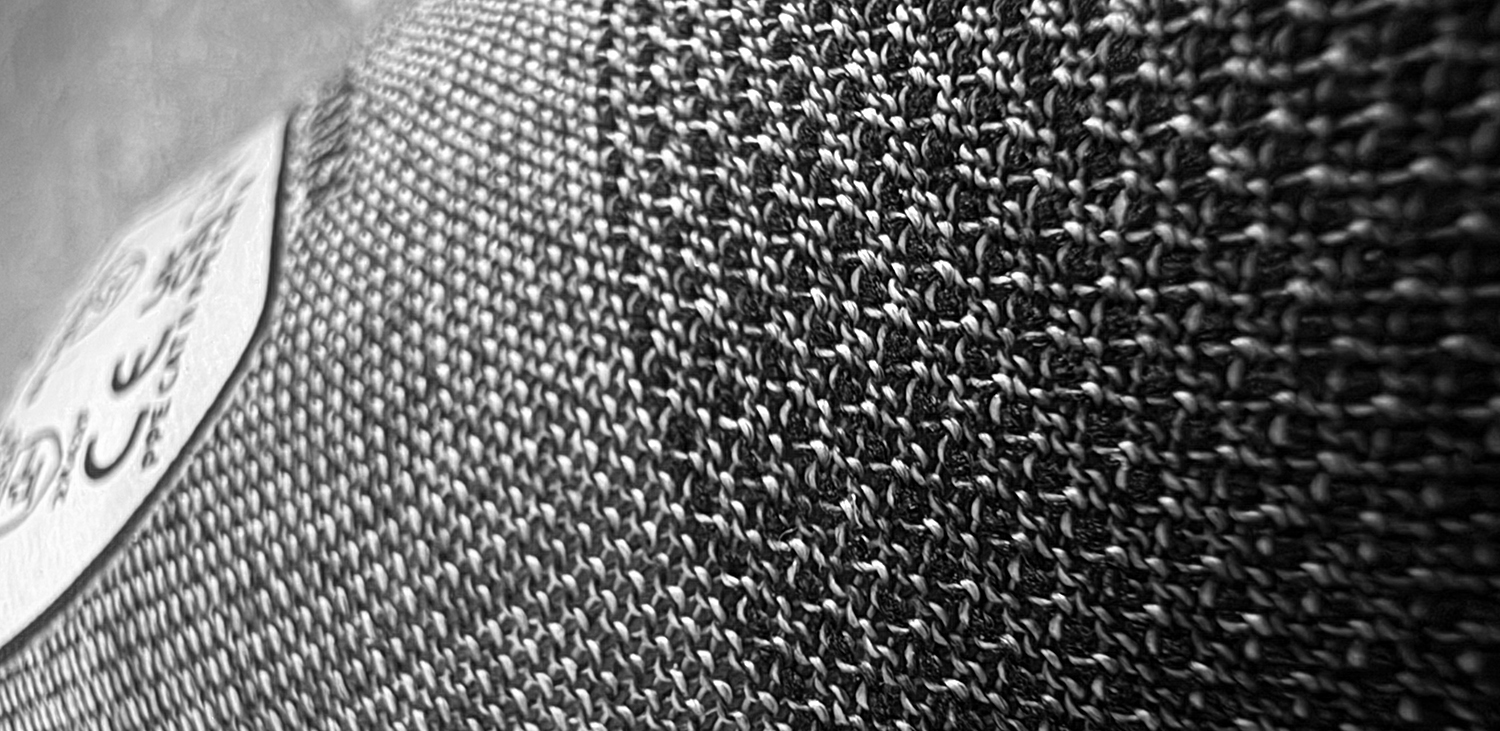
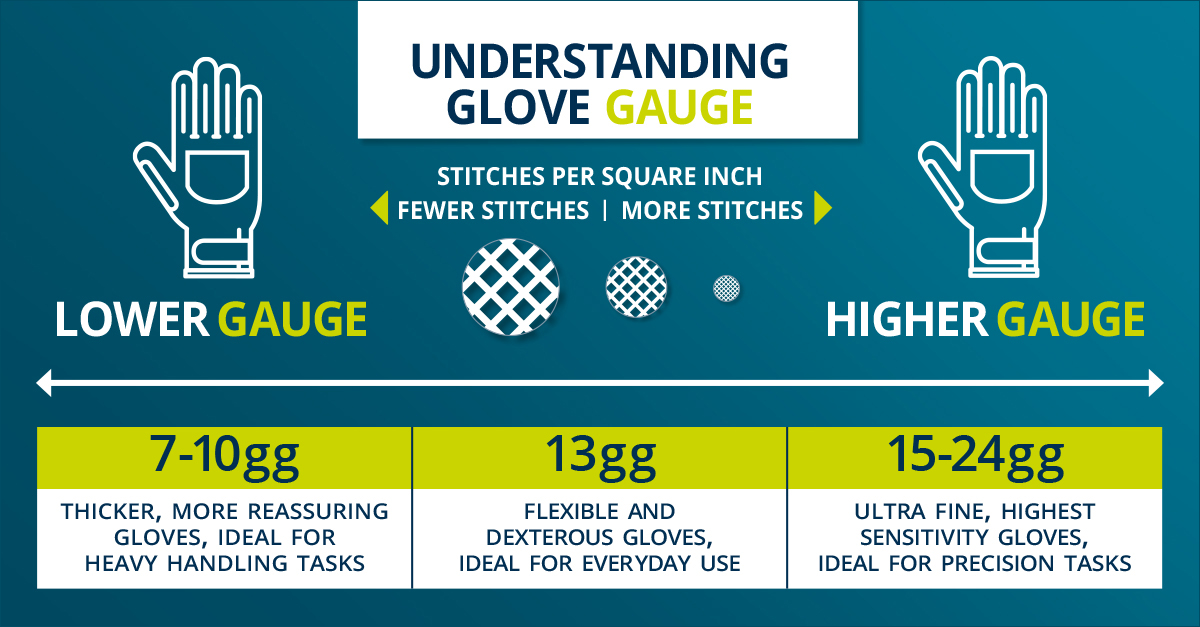
Glove gauge refers to the knitting pattern of a glove, specifically the number of stitches per inch. The higher the gauge, the more stitches per inch, resulting in thinner, lighter and more flexible gloves.
Gauge is typically written as a number followed by “gg”, such as 13gg or 15gg, which are common in industrial, safety and work gloves.
How does glove gauge translate to real life?
Gauge affects a glove’s thickness, flexibility and precision. Think of your favourite jumper - the one you grab on rainy days while watching a film - that's roughly 3-5gg.
Here’s how common glove gauges translate to real-life use:
How has innovation in cut resistant gloves come about?
Traditionally, cut-resistant gloves relied on one rule: thicker yarn = higher cut protection. While effective, thicker gloves reduced dexterity and comfort.
The breakthrough came with spun yarns and advanced technical fibres, allowing higher cut resistance at higher gauges, giving protection without compromising precision or feel.
What are core-spun yarns?
Core-spun yarns feature a strong central core - often steel, tungsten or glass fibre - wrapped in softer fibres like nylon, polyester or spandex. This balances strength with comfort.
Modern wrapping techniques fully enclose the core, maintaining a thin profile while preventing irritation from exposed fibres. Poorly wrapped yarns can irritate high-movement areas, such as knuckles.
Why gauge isn't the "Be all and end all" in glove design
While gauge is important, it doesn’t guarantee:
- Comfort
- Flexibility
- Overall performance
- Glove thickness
A higher gauge doesn’t automatically mean a better glove. Other design elements have a bigger impact on real-world performance.
What design elements should be considered?
- Glove fit – Too tight restricts movement; too loose bunches up and affects tasks.
- Stretch and elasticity – High-gauge gloves need proper stretch to maintain dexterity.
- Comfort and yarn construction – Abrasive or poorly wrapped yarns can irritate the skin.
- User preference – Some users prefer slightly thicker gloves for perceived protection or impact absorption.
The best work gloves balance gauge, fit, yarn engineering, stretch and user needs. Focusing on gauge alone can compromise comfort and performance - especially in cut-resistant gloves.
What else matters when choosing safety gloves?
Beyond compliance scores and cut ratings, consider:
- Grip – Slips cause many hand injuries. The right coating or texture reduces risk.
- Secondary hazards – Heat, abrasion or impact may require extra protection.
- Working environment – Wet, oily or dry surfaces affect glove performance and grip requirements.
Choosing the right glove for the job
The best safety gloves balance cut resistance, grip, environmental conditions and task-specific risks, ensuring better protection, control and reduced hand fatigue.
How we help you choose the right glove
Our HPAS – Hand Protection Assessment Survey helps you select the safest, most effective gloves. Our experts with years of experience will sassess hazards, review current glove use and recommend solutions to improve protection, comfort and cost efficiency.
You’ll also receive sample gloves to trial, ensuring the right fit before full implementation.