
 EN
EN FR
FR ES
ES DE
DE PT
PT NL
NL CS
CS PL
PL DA
DA IT
IT RO
RO FI
FI NO
NO SV
SV

In healthcare settings, protecting staff, patients and visitors from infection and hazardous materials is essential. Disposable personal protective equipment (PPE) plays a critical role in health and safety in hospitals, laboratories and care homes.
This guide explores what disposable PPE is, its benefits and limitations, how it is used in healthcare and tips to help you choose and manage it effectively.
What is disposable PPE?
Disposable PPE refers to single-use protective equipment such as gloves, masks, aprons and coveralls. These products are designed to create a protective barrier between the wearer and potential sources of infection, bodily fluids and hazardous chemicals.
Disposable PPE is intended to be discarded after a single use, reducing the risk of cross-contamination and supporting effective infection prevention and control in healthcare environments.
Types of disposable PPE used in Healthcare
Healthcare settings rely on a range of disposable PPE products, including:
Disposable gloves
Typically made from nitrile, latex or vinyl, disposable gloves are available in a range of thicknesses and grip options to suit different clinical tasks and risk levels. They are essential in medical examinations and procedures, helping to prevent contamination and protect both healthcare professionals and patients.
Headwear and Eyewear
Disposable headwear and eyewear, including mob caps, hairnets, theatre caps and snood caps, help reduce the risk of cross-contamination and maintain high standards of hygiene in clinical and controlled healthcare environments.
Aprons
In a range of colours for colour coded systems, disposable aprons provide full or partial body protection during procedures that may involve splashes or contact with contaminants.
Masks
Used to help minimise risk of cross contamination and the spread of viruses. Common types include disposable surgical masks and respirators designed for clinical use.
Coveralls & Coats
Disposable coveralls are one-piece, loose-fitting garments designed to protect large areas of the body from contaminants. Visitor coats provide a convenient disposable option for on-site visitors, helping maintain hygiene and contamination control in healthcare environments.
Overshoes and oversleeves
Disposable overshoes provide a hygienic barrier that helps prevent the spread of contaminants through footwear in clinical and controlled environments.
Disposable oversleeves protect arms against spills and splashes while reducing the risk of cross-contamination and are available in multiple colours to support colour-coding systems in hygiene-critical settings.
Disposable visitor packs
Disposable visitor packs provide a complete range of essential PPE designed to protect visitors and help maintain a safe, secure and hygienic healthcare environment.
Key benefits of disposable PPE
Prevents contamination and infection
Disposable PPE creates an effective barrier against infectious agents and contaminants, helping reduce the spread of infections within healthcare facilities.
Protection against chemicals and harmful substances
Many disposable PPE products are designed to resist chemicals, fluids and other potentially hazardous chemicals commonly encountered in healthcare and laboratory settings.
Convenience and cost effectiveness
Compared with reusable PPE, single-use PPE does not require decontamination before or after use, improving convenience and supporting overall cost efficiency.
Regulatory compliance
Certified disposable PPE helps healthcare providers meet industry-specific health and safety regulations, supporting compliance with occupational safety and infection control standards.
Key considerations when using disposable PPE
Environmental impact and waste management
The use of single-use PPE can contribute to increased waste within healthcare settings. However, this can be addressed through waste reduction glove dispensing systems such as SafeDon®. Working with the right supplier can support sustainability goals without compromising safety.
How to choose the right disposable PPE
Selecting appropriate disposable PPE is essential for both safety and efficiency. Key factors to consider include:
- Material type
Different materials offer varying levels of protection, durability and comfort. Choosing the right material depends on the specific risks and tasks involved. - Regulatory compliance
Ensure all disposable PPE meets relevant healthcare safety standards and certifications required in your region. - Fit and comfort
Well‑fitting PPE improves compliance among staff and ensures effective protection especially during long shifts.
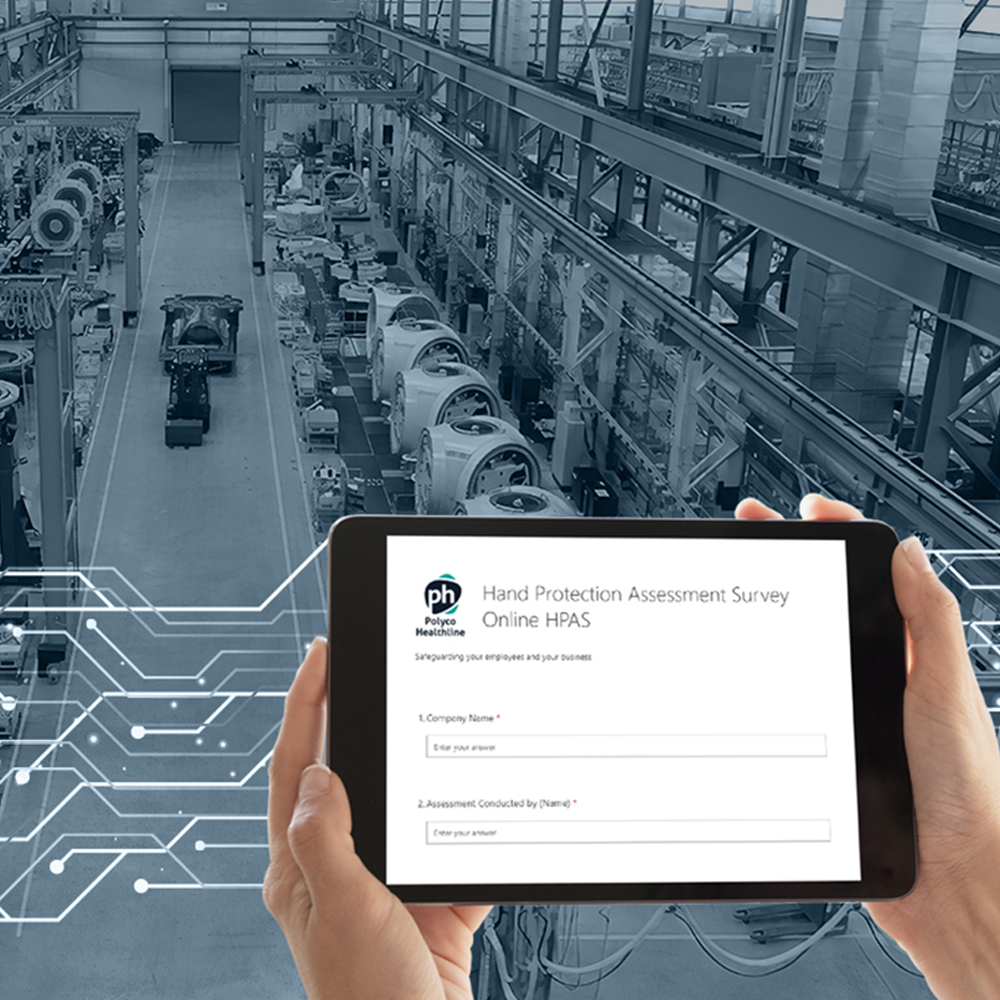
Tailored Product Audits
To help healthcare settings navigate this complex landscape, we offer a comprehensive product audit tailored to your clinical and operational environment. Our experienced specialists assess workplace risks, identify cost-saving opportunities and recommend solutions designed to support staff safety, regulatory compliance and injury-claim prevention.
Following the audit, you’ll receive a selection of recommended products to trial, ensuring suitability before implementation.
More details can be found here.
Correct use and disposal of disposable PPE
Correct donning and doffing procedures
Washing hands before donning and following correct procedures when removing PPE is critical to avoid contamination.
Safe disposal methods
Used disposable PPE should be discarded in designated clinical waste containers immediately after use and according to healthcare waste regulations.
Recycling and sustainability efforts
Healthcare settings are encouraged to explore initiatives that reduce disposable glove waste. One option is the SafeDon™ dispensing system, which can help minimise environmental impact.
Final thoughts
Disposable PPE is a critical component of workplace health and safety in healthcare. When selected, used and disposed of correctly, it protects healthcare workers, patients and visitors as well preventing infection and supporting regulatory compliance.
By understanding its benefits, limitations and sustainability considerations, healthcare settings can make informed decisions that safeguard both people and the environment.