The store will not work correctly when cookies are disabled.
We will be conducting our annual stock take on Friday 31st July, unfortunately we will not be dispatching orders on this day. Deliveries will resume from Monday 3rd August.
For the latest updates regarding the ongoing global situation, please click here
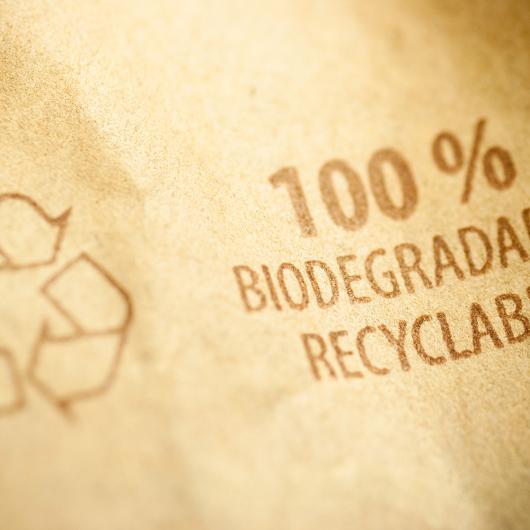
Consumers are becoming increasingly concerned with the environmental impact of the products and services they use, and so there is great demand for products which purport to minimise harm to, or benefit, the environment. This focus on sustainability has led to the proliferation of products with various green claims, however, many of which may mislead consumers and/or exaggerate any environmental benefits. Biodegradation-promoting additives (also referred to as enzyme-mediated biodegradable additives) are claimed to make conventional (typically derived from fossil fuels and non-biodegradable) polymers (such as nitrile) attractive to microorganisms and therefore biodegradable (in landfill conditions) when incorporated with the polymer, thus proposing an end of life solution for non-recyclable polymers (including nitrile gloves). The exact mechanism by which these additives supposedly function is yet to be explained or proven in any publicly available peer-reviewed scientific study
At Polyco Healthline, we understand the need to reduce our waste as much as possible to support our sustainability goals, as recently outlined in our #phAMBITION project. We have set ourselves targets to reach by 2030 to address the key sustainability impacts and opportunities throughout our value chain.
#phAMBITION is Polyco Healthline's new sustainability programme. It aims to build upon our sustainability successes so far and set new targets and goals whilst unlocking the power of change. Our programme is aimed at addressing the social and environmental challenges of the next decade with commitments to improve the lives and wellbeing of our people with the smallest environmental footprint.
We have been identifying the areas where we need to make the most changes to reduce our CO2 footprint. Our pursuit of Zero Waste, Say 'No' to plastics and Energy efficiency stems from this. Our strategy is focused on addressing key sustainability impacts and opportunities throughout our value chain.
Biodegradable & Compostable: what's the difference?
03 May, 2022
Biodegradable & Compostable: what's the difference?
03 May, 2022
The environment is very much in focus in recent times, and many businesses are looking for ways to reduce the environmental impact of their products and packaging. More and more plastic and polymer products labelled as 'biodegradable' or 'compostable' are coming to market, and they are often presented as an environmentally friendly alternative to conventional oil-derived polymers. This blog will investigate the key differences between biodegradable and compostable products and consider situations where they may or may not represent a beneficial alternative to conventional polymers.
What are biodegradable materials and how are they certified?
Biodegradation is the process of decomposition of organic materials by microorganisms, such as bacteria and fungi.
Biodegradation may be aerobic (with available oxygen, e.g., composting), or anaerobic (with no/limited available oxygen, e.g., landfill). By-products include carbon dioxide, methane (in anaerobic conditions), water, and biomass (or compost).
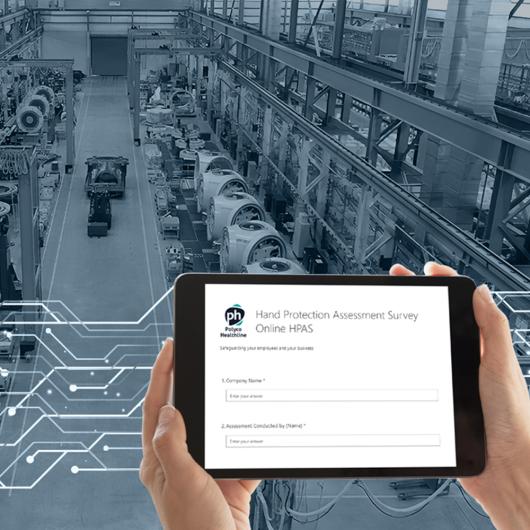
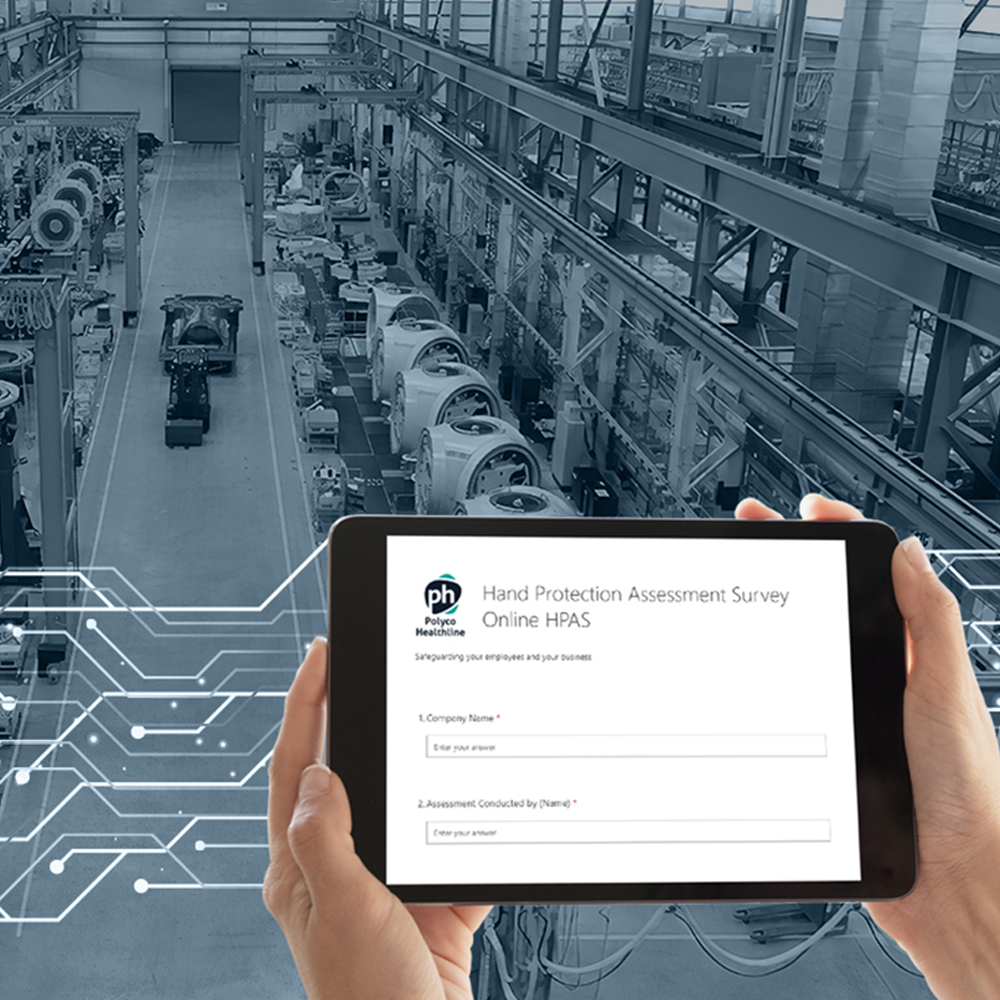
Here, at Polyco Healthline, we are well aware of the constraints your business may be facing and have been working hard over the last few months to develop the next generation in hand assessment surveys.
We are pleased to launch our newly developed HPAS Online solution that will help you visualise what a safe workplace can look like. Within the safety of your own workspace and with no physical presence from one of our experts, we can now virtually guide you through a detailed Hand Protection Assessment Survey.
As the country adapts to the "New Normal", businesses try to find new ways of operating safely around current local and national restrictions.
As businesses started to reopen a few weeks back, you may have been scheduled for a PPE review or you simply needed to reappraise your PPE best practices.
Disruptions in supplies may also mean that you had to source alternative PPE or you simply have experienced a near-miss incident that needs urgent review.
We're sorry but there seems to be a problem with your account. Please contact our sales team on 020 8835 3636 or email [email protected] for more information.
You have exceeded your credit limit. Please contact our Accounts Department on 020 8835 3636 to discuss you credit options.
You have exceeded your credit limit. Please contact our Accounts Department on 020 8835 3636 to discuss you credit options.

 EN
EN FR
FR ES
ES DE
DE PT
PT NL
NL CS
CS PL
PL DA
DA IT
IT RO
RO FI
FI NO
NO SV
SV