
 EN
EN FR
FR ES
ES DE
DE PT
PT NL
NL CS
CS PL
PL DA
DA IT
IT RO
RO FI
FI NO
NO SV
SV
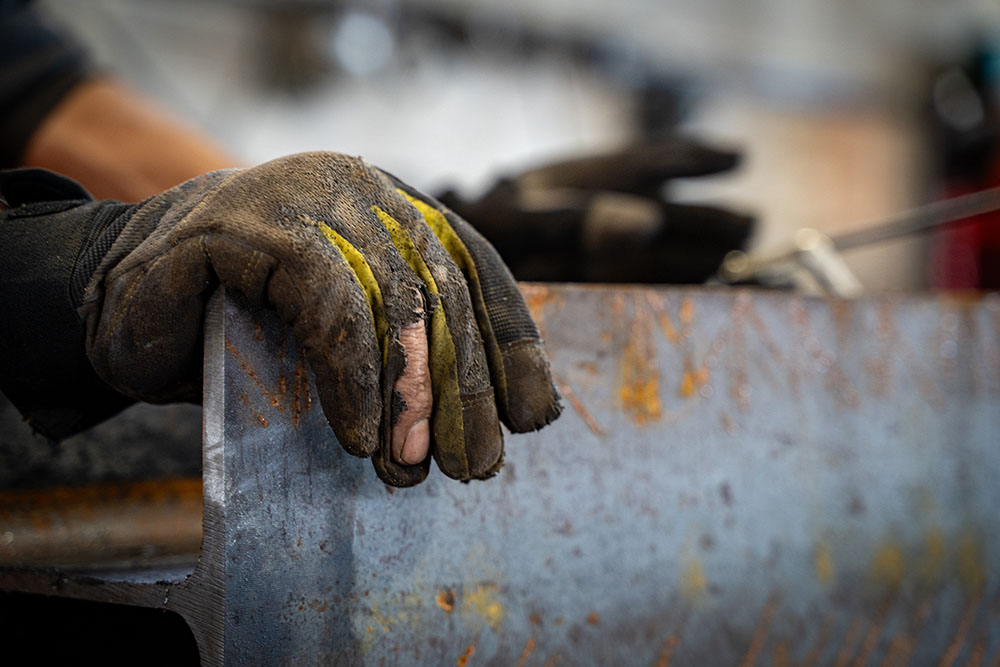
Industrial safety gloves are a critical part of personal protective equipment (PPE), helping to prevent injuries and ensure compliance across UK workplaces. From manufacturing and construction to healthcare and food production, selecting the right gloves is essential for protecting workers and maintaining safe operations.
This guide explains the importance of workplace hand protection, the different types of industrial gloves available, and how to choose the most suitable option for your environment.
The importance of hand protection at work
Hand injuries remain one of the most common workplace incidents in the UK. According to the Health and Safety Executive (HSE), upper limb injuries — including fingers, hands and wrists — account for a significant share of non-fatal incidents.
These injuries often result from routine tasks such as:
- Handling sharp materials
- Working with hazardous substances
- Operating machinery without adequate protection
Cuts, chemical burns, crush injuries and punctures are all common — and largely preventable with the right controls in place.
This highlights the need for effective hand protection strategies, with industrial safety gloves playing a central role in reducing risk and improving workplace safety.
Why industrial gloves are essential
Effective hand protection is not just about providing gloves - it’s about selecting the right type for the specific risks involved. When properly specified, safety gloves help to:
Meet recognised safety standards
Gloves tested to EN standards (such as EN 388 for mechanical risks or EN 407 for heat) provide a clear benchmark for protection.
Control specific hazards
Different materials and coatings are designed to resist cuts, chemicals, heat or cold depending on the task.
Reduce incident rates
Appropriate glove use can significantly lower the likelihood and severity of hand injuries in high-risk environments.
Workplace injury data highlights the scale of the issue:
In 2024/25, an estimated 680,000 workers in Great Britain sustained non-fatal injuries at work, many involving hands and wrists..
Tips for choosing the right industrial glove
When selecting industrial gloves, consider three key factors:
1. The task being performed
2. The hazards present
3. The required EN performance rating
A risk-based approach ensures that gloves provide adequate protection without compromising comfort or productivity.
Types of industrial gloves for different tasks
Different tasks and industries require different types of hand protection.
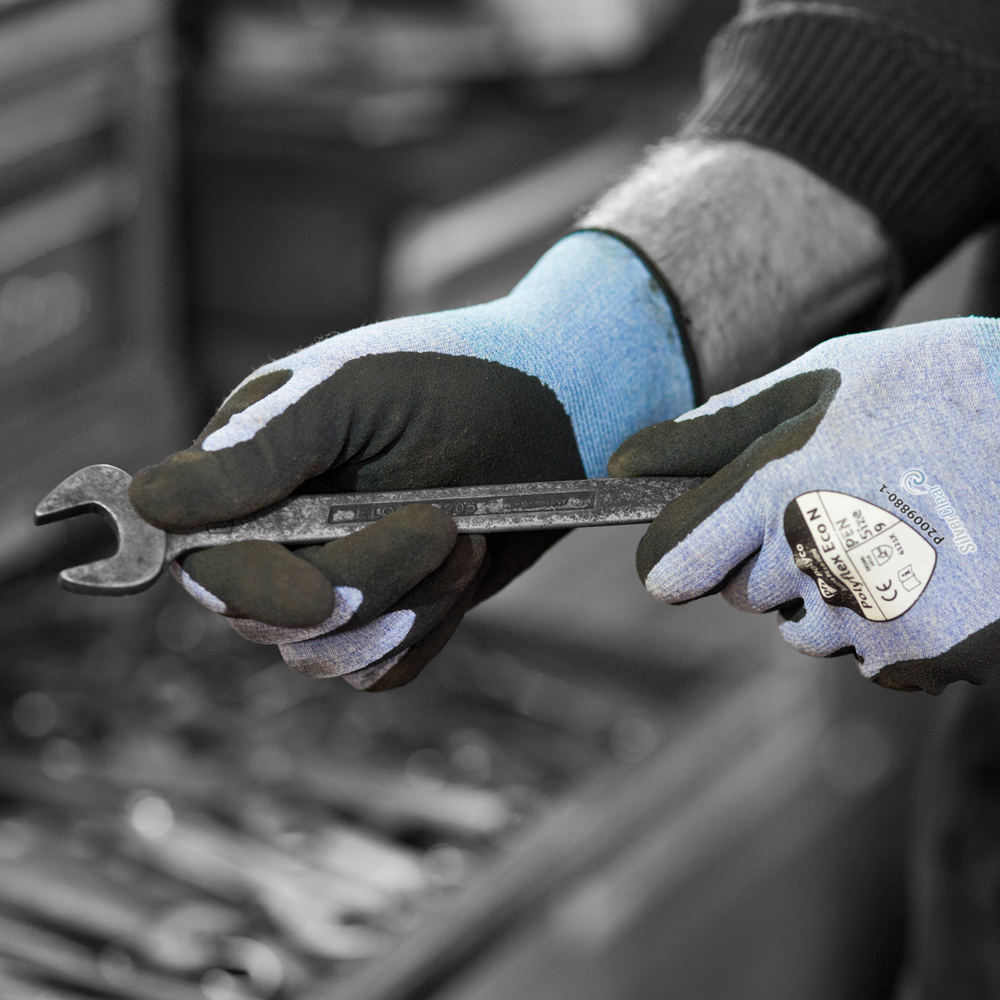
- Durable, cost-effective protection for everyday tasks
- Suitable for warehouses, logistics and general manual work
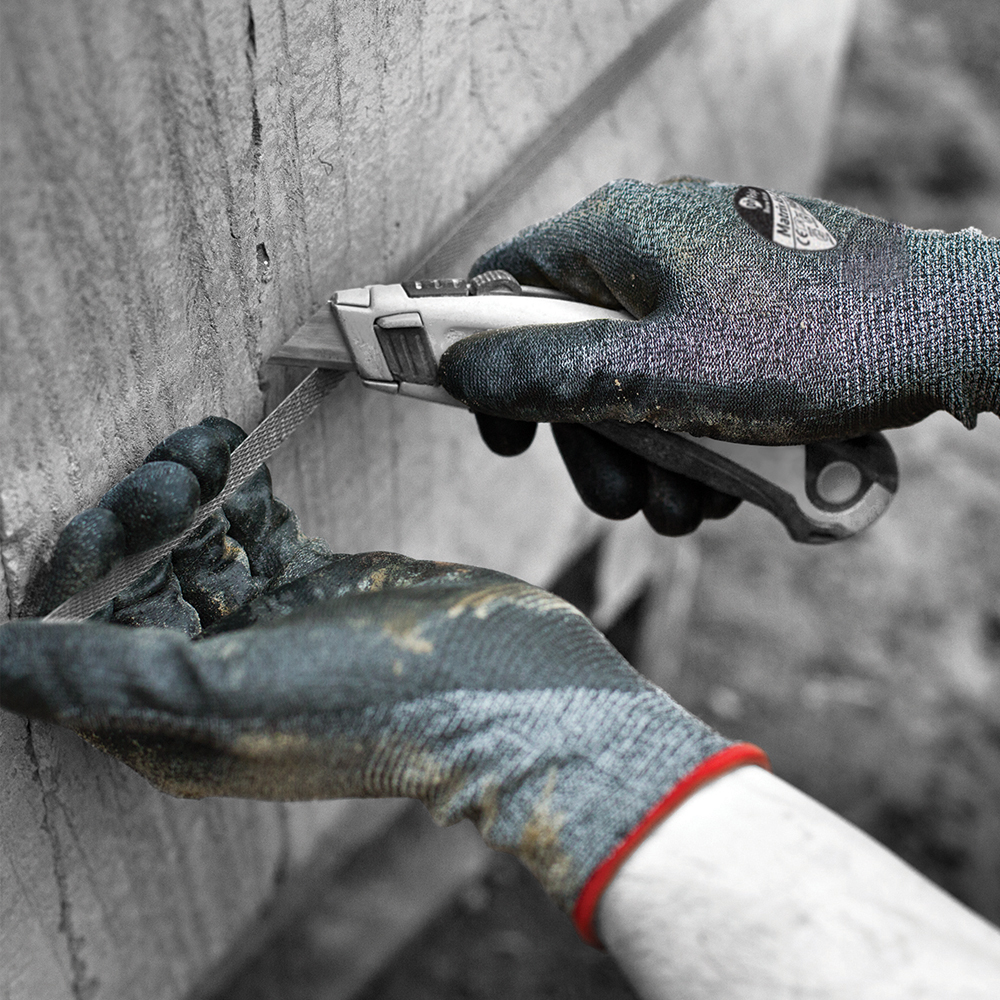
- Designed to protect against sharp edges, blades and abrasive materials
- Widely used in manufacturing, metalworking, glass handling and construction
Impact and Vibration Protection gloves

- Designed to reduce injury risks from knocks, crush hazards or prolonged tool vibration
- Often include reinforced knuckle protection or vibration-dampening palm padding
- Commonly used in construction, utilities, oil and gas and heavy maintenance environments

- Protect against hazardous chemical spills, splashes and exposure
- Materials include nitrile, latex, neoprene and PVC coatings
- Commonly used in laboratories, cleaning operations and chemical plants
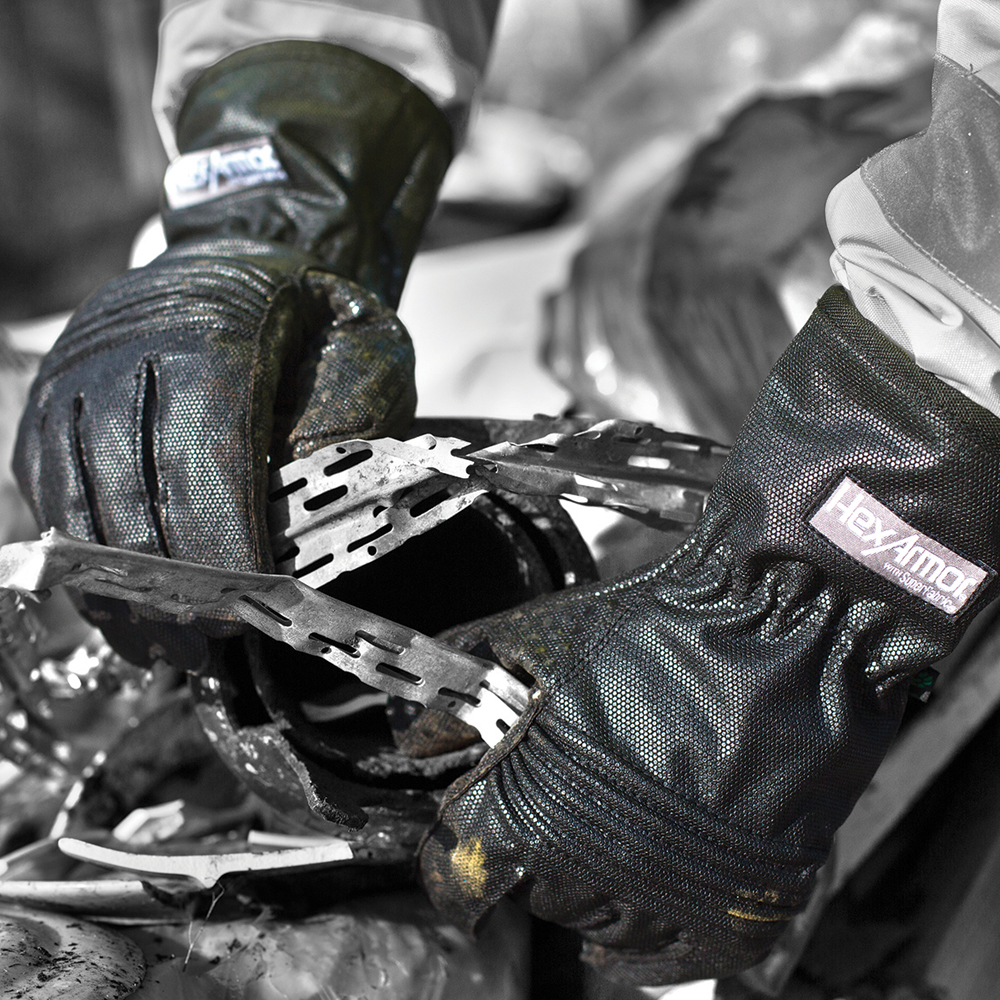
- Provide protection from punctures caused by thin, sharp objects
- Often used in healthcare, waste management and law enforcement

- Insulated gloves designed for working safely with electrical equipment
- Typically tested to EN 60903 for electrical insulation
- Often paired with leather gauntlets to provide additional mechanical protection

- Designed to protect against the intense heat and energy released during electrical arc faults
- Often used alongside insulating gloves tested to EN 60903
- Typically certified to EN 61482-1-2 and used in utilities, electrical maintenance and power distribution work
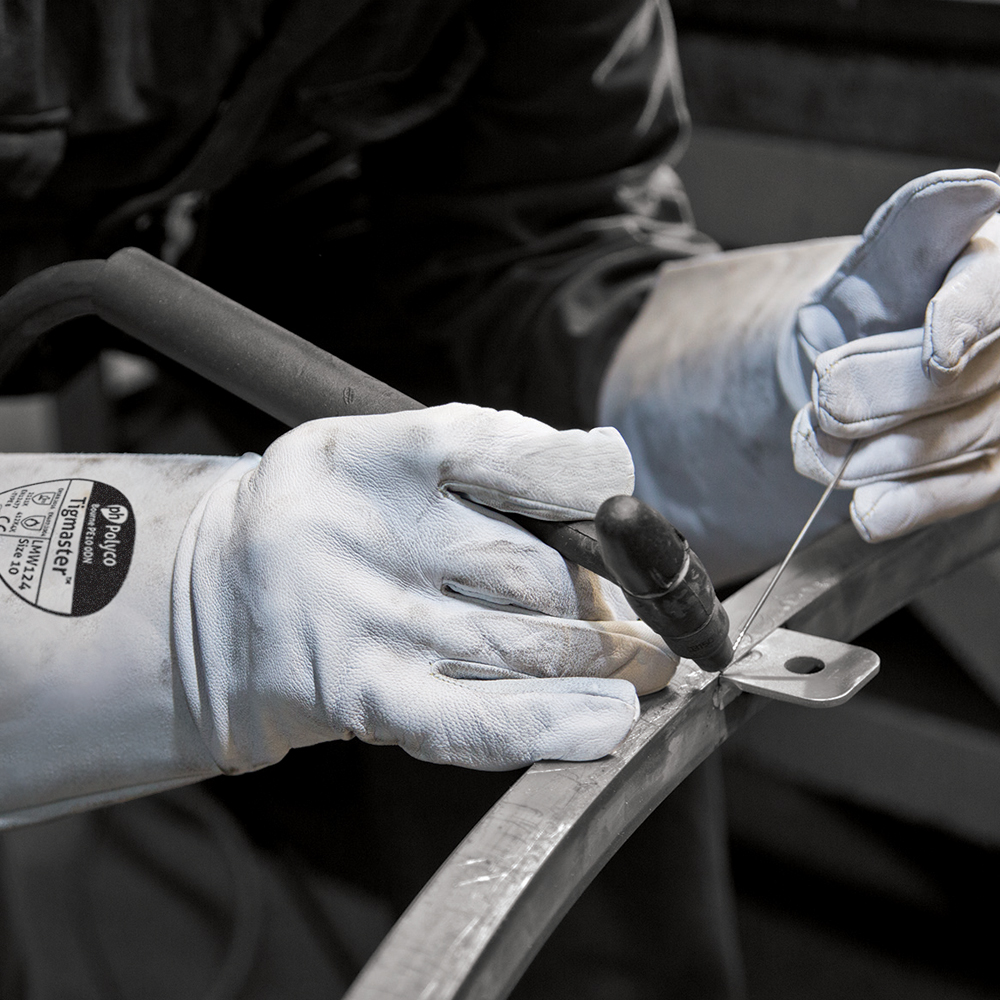
- Protect hands and forearms when exposed to high temperatures
- Some industrial gloves provide contact heat protection up to 500°C depending on their EN 407 rating

- Provide insulation, grip and abrasion resistance in cold environments
- Suitable for refrigerated storage, food logistics and outdoor work

- Designed to dissipate static electricity and reduce the risk of electrostatic discharge (ESD)
- Typically tested to EN 16350 for electrostatic properties
- Used in electronics manufacturing, chemical processing and ATEX environments where static sparks could present a hazard
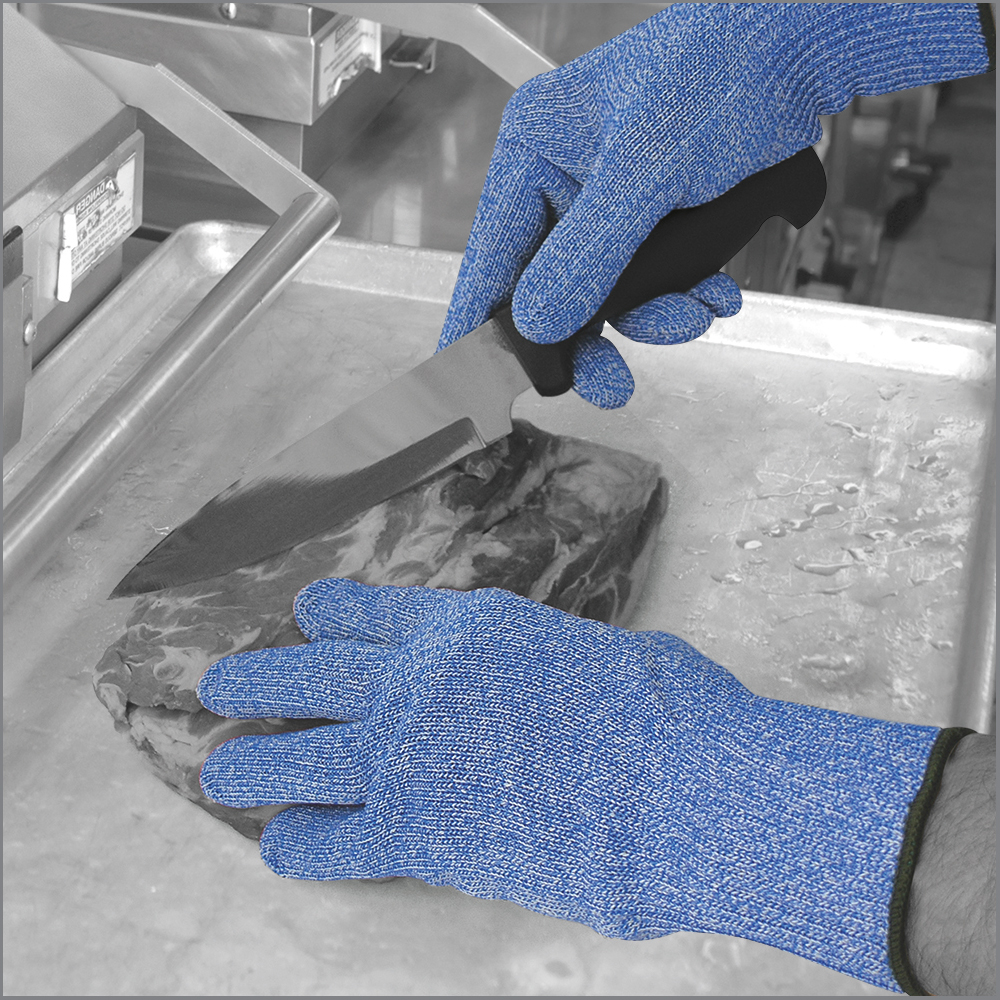
Materials and key features
Industrial safety gloves use different materials and coatings to provide the required level of protection.
Common materials include:
- Latex – flexible with excellent grip, though allergy risks must be considered
- Nitrile – strong chemical resistance and puncture protection
- Polyurethane (PU) – excellent dexterity for precision tasks
- HPPE or aramid fibres – high cut resistance for handling sharp materials
- Cotton – breathable and comfortable for light-duty tasks
Glove coatings such as PU, foamed nitrile or sandy nitrile can improve grip, oil resistance and durability in demanding work environments.
Key features to consider
When selecting gloves, consider:
- Grip performance
- Dexterity
- Breathability
- Comfort for extended wear
- Compatibility with workplace hazards
Balancing protection with usability is essential to ensure workers wear gloves consistently and correctly.
PPE glove standards
Protective gloves sold in the UK and EU must comply with EN ISO 21420, which defines general safety and design requirements for protective gloves.
Additional standards apply depending on the hazard:

EN ISO 374 (Parts 1 & 5)
Protection against chemicals and micro-organisms

EN 388:2016+A1:2018
Mechanical risks (cut, abrasion, tear, puncture)

EN 407:2020
Heat and flame protection

EN 511:2006
Cold protection
For specialist applications:

EN 60903
Electrical insulating gloves

EN 61482-1-2
Arc flash protection

EN 16350
Electrostatic properties (ESD)
These EN ratings are usually displayed on the glove marking to help employers select appropriate PPE for specific risks.
Get expert help choosing the right safety gloves
Choosing the right glove for your workplace can be complex - especially in environments with multiple hazards.
Our Hand Protection Assessment Service (HPAS) helps you:
- Identify workplace risks
- Improve compliance with safety standards
- Select the most effective gloves for your workforce
Following the assessment, you’ll receive a detailed report, tailored recommendations and product samples to trial on-site.
Find out more about our assessment service.