
 EN
EN FR
FR ES
ES DE
DE PT
PT NL
NL CS
CS PL
PL DA
DA IT
IT RO
RO FI
FI NO
NO SV
SV
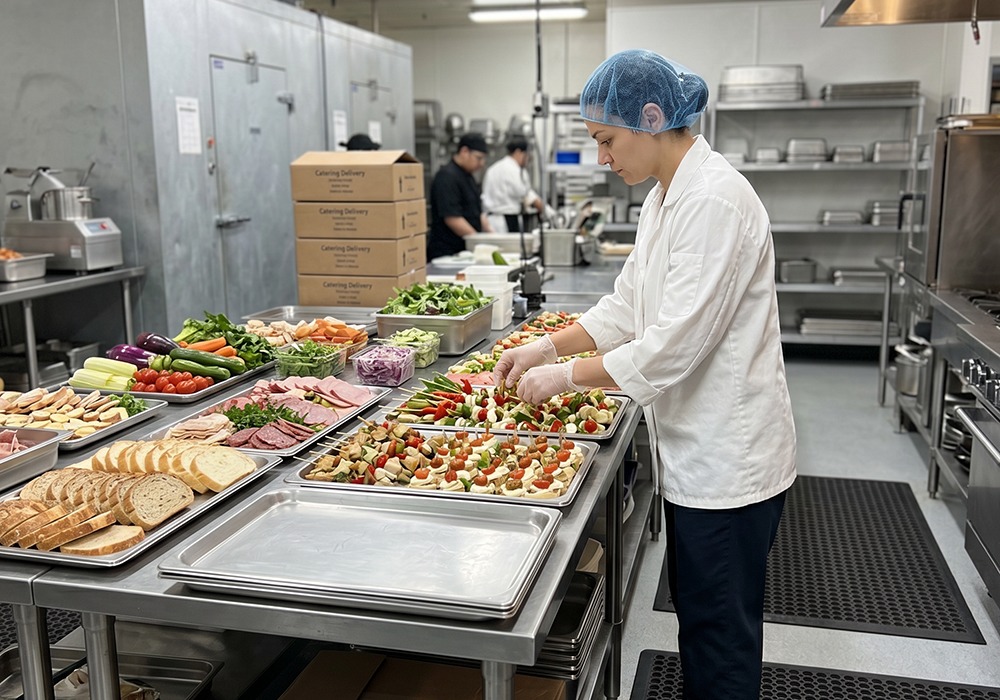
Hair nets play a critical role in food manufacturing by helping to prevent contamination, maintain hygiene standards and support compliance with food safety procedures.
Choosing comfortable, properly fitted hair nets and using them correctly can improve wearer compliance, reduce contamination risks and create a safer production environment.
Why are hair nets important in food manufacturing?
Hair contamination is one of the most common physical contamination issues within the food industry. Even a single incident can damage consumer trust, lead to product waste and impact a business's reputation.
Hair nets provide a simple but effective barrier, preventing loose hairs from entering products during preparation, processing and packaging. They also support site hygiene procedures and help businesses maintain high food safety standards.
Blue hair nets are widely used across the industry because blue is rarely found naturally in food, making contamination easier to identify if it occurs.
What makes a good hair net?
Not all hair nets offer the same level of comfort or performance. The most effective products combine secure coverage with all-day wearability to encourage compliance among employees.
Key features to look for include:
- A secure, precision fit that stays in place throughout a shift.
- Soft, lightweight and breathable materials for wearer comfort.
- Latex-free elastic to reduce the risk of allergic reactions.
- Durable construction that provides reliable coverage.
- Universal sizing to accommodate different hair types and volumes.
Modern nylon hair nets are particularly popular in food manufacturing because they offer durability, comfort and consistent performance in demanding working environments.
How to wear a hair net correctly
Wearing a hair net correctly is just as important as choosing the right product.
Best practice includes:
- Tie back long hair before putting on the hair net.
- Ensure all hair, including fringes and loose strands, is fully contained.
- Position the elastic securely around the head without creating gaps.
- Avoid touching or adjusting the hair net while handling food.
- Replace damaged or stretched products immediately.
Comfortable, well-fitting headwear reduces the likelihood of employees adjusting it during production, helping to maintain hygiene standards.
Common mistakes to avoid
Businesses can reduce contamination risks by avoiding common errors such as:
- Leaving sections of hair exposed.
- Reusing disposable headwear beyond its intended use.
- Wearing damaged or loose-fitting hair nets.
- Selecting uncomfortable products that employees are reluctant to wear.
- Failing to provide appropriate headwear for different roles and hair types.
Regular training and clear hygiene procedures help ensure consistent compliance across the workforce.
Choosing the right headwear for your workforce
While hair nets are widely used throughout food manufacturing, some roles may require alternative headwear solutions depending on the environment and level of coverage needed.
Options include:
- Mob Caps and Bouffant Caps for full hair coverage.
- Peaked Snood Cap design enhances visibility.
- Forage Hats for front-of-house and specialist roles.
- Classic and European Style Chef Hats for professional kitchens.
- Peaked Bouffant Caps that combine coverage with practical peak protection.
Offering a complete range of headwear ensures businesses can provide suitable PPE for every employee and every working environment.
Supporting comfort and compliance
Employee compliance is heavily influenced by comfort. Headwear that is soft, breathable and secure is more likely to be worn correctly throughout an entire shift.
Modern nylon hair nets, including products such as the Shield DNHN21 , have been designed with these factors in mind, providing a precision fit and improved comfort without compromising hygiene requirements.
Choosing the right hair net solution
Selecting the right hair net can help businesses maintain high hygiene standards while supporting employee comfort and encouraging consistent compliance. By choosing products that are fit for purpose, organisations can create safer, more efficient working environments.
Explore our full range of hair protection products or contact our team for expert advice on finding the best solution for your operational requirements.
Frequently asked questions
Why do food workers wear hair nets?
Hair nets help prevent hair contamination and support hygiene procedures during food preparation, manufacturing and packaging.
Are hair nets a legal requirement in food manufacturing?
Food businesses must take appropriate steps to prevent contamination. Hair nets are widely used as part of standard hygiene and food safety practices to meet these requirements.
Why are blue hair nets used in the food industry?
Blue is rarely found naturally in food products, making any contamination easier to identify and remove.
How should a hair net fit?
A hair net should fit securely, fully contain all hair and remain comfortable throughout a working shift without constant adjustment.
What is the difference between a hair net and a bouffant cap?
Hair nets use a lightweight mesh design to contain hair, while bouffant caps provide fuller coverage and are often preferred for certain food manufacturing or clean environments.
Are latex-free hair nets better?
Latex-free hair nets reduce the risk of allergic reactions and are suitable for workplaces with diverse employee needs.