 EN
EN FR
FR ES
ES DE
DE PT
PT NL
NL CS
CS PL
PL DA
DA IT
IT RO
RO FI
FI NO
NO SV
SV
When engineers choose safety gloves, the conversation often starts - and ends - with gauge. Thickness is important, but in real engineering environments, it’s only one piece of the puzzle. In industries where tools, pipes and machine parts are often covered in oil or grease, grip performance, coating technology and material durability are just as critical as the glove’s gauge.
A glove that is technically thin and flexible can still fail if it can’t hold onto slippery surfaces. The key is selecting gloves designed with the right balance of gauge, grip and material. For many engineering tasks, 24-gauge (24gg) gloves provide that balance, delivering precision, control and durability even in challenging oily environments.
What gauge really means
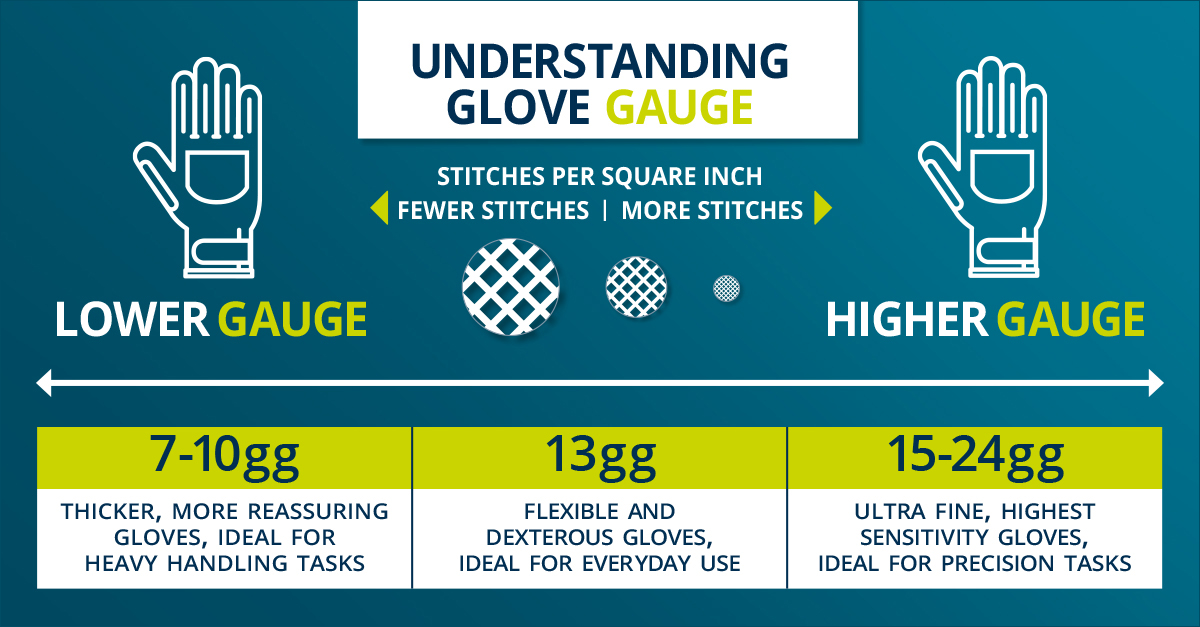
In glove manufacturing, gauge refers to the number of stitches per inch in the knit fabric. The higher the gauge, the finer and more tightly knit the glove.
- Lower gauge (e.g.7 - 10gg) – thicker knit, less dexterity
- Higher gauge (e.g. 15 - 24gg) – thinner knit, greater precision and flexibility
For engineers who handle small components, tools or equipment controls, dexterity is essential. Higher gauge gloves such as 24-gauge offer a very fine knit structure, allowing workers to maintain excellent tactile sensitivity without sacrificing protection. This makes them particularly suitable for environments where precision work is required but hands still need protection from abrasion, oil and mechanical hazards.
Grip matters just as much
In engineering environments, surfaces are rarely clean or dry. Tools, pipes, and metal components are often coated in oil, grease or lubricants, making grip just as important as gauge when selecting gloves.
How grip works
Grip performance comes from a combination of coatings and design features:
- Coatings: Nitrile for oily, chemical or abrasive conditions; polyurethane (PU) for precision work requiring dexterity; and latex for comfort and grip in dry, non-hazardous environments.
- Textured surfaces and knit patterns: Some gloves feature high-grip foam coatings or specially designed knit patterns that help maintain control, even on oily or slippery surfaces.
The key takeaway is simple: even the right gauge can fail if the glove doesn’t provide sufficient grip.
“In engineering environments where surfaces are often oily, if your gloves don’t provide reliable grip, tasks become more difficult and inefficient, and the risk of accidents increases. Choosing the right gloves for the job is key to keeping my team safe.”
Mechanical Engineer Shaun Smart
BEng (Hons), PhD, C.IWE, C.EWE, MWeldI, CEng
This emphasises why grip performance and coating are just as critical as glove gauge. Selecting gloves that balance dexterity, grip and durability ensures both efficient workflow and health and safety compliance in oily engineering environments.
Material and durability
Beyond gauge and grip, the material used in the glove liner and coating determines how long the glove lasts and how well it performs under stress.
Engineering environments expose gloves to:
- Abrasion from metal edges and machinery
- Repeated contact with oil and lubricants
- Frequent handling of heavy tools and parts
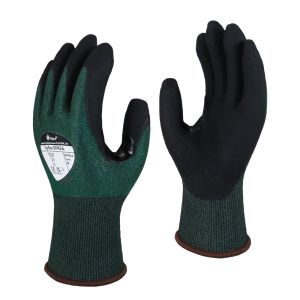
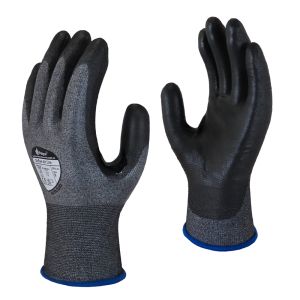
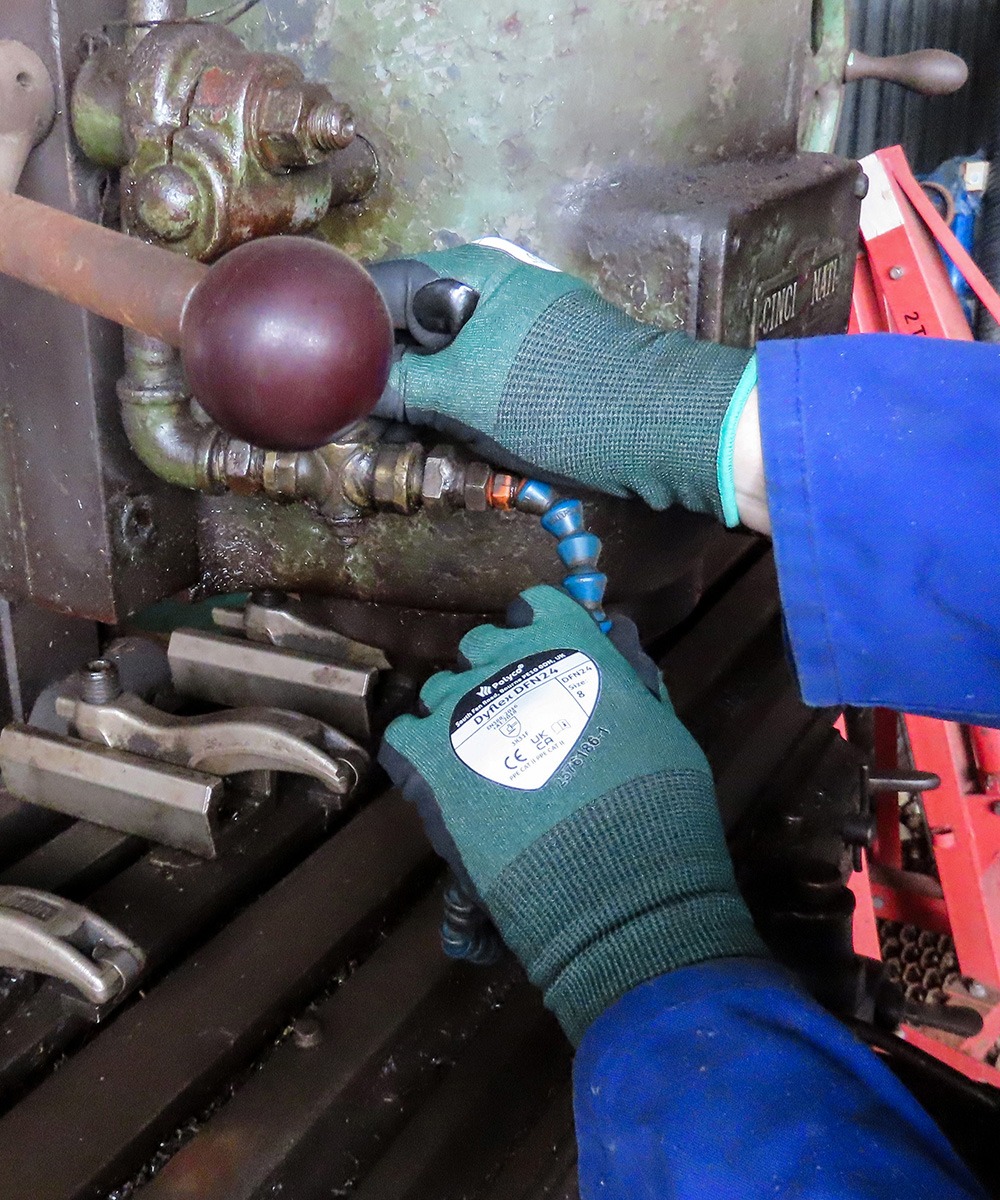
High-quality 24-gauge gloves are made with oil-resistant coatings helping them handle tough tasks while still staying flexible and comfortable to wear.
Real-world engineering tasks
A well-designed glove must handle situations such as:
- Handling greasy metal components
- Working with oil-coated pipes and valves
- Maintaining grip on machinery parts and tools
- Performing precision assembly in oily conditions
In these cases, a glove that combines fine gauge knitting with durable materials and effective coatings can significantly improve both safety and productivity.
Practical takeaways
When selecting gloves for engineering work, keep these key points in mind:
- Check the gauge – higher gauge gloves like 18-24-gauge offer better dexterity for precision work
- Prioritise grip performance – coatings and textures are critical in oily environments
- Choose durable materials – ensure resistance to abrasion, oil and mechanical wear
- Replace worn gloves – even if the gauge is correct, damaged coatings reduce grip and protection
- Avoid sacrificing grip for thickness – the right balance matters more than simply choosing thicker gloves [H2 title]
Conclusion
The best engineering glove isn’t defined by gauge alone. Real-world performance depends on how gauge, grip, and material work together to provide dexterity, control and durability in demanding conditions.
For many oily engineering environments, 24-gauge gloves deliver the optimal balance, helping workers maintain precision while staying protected. Choose gloves designed for the realities of engineering work - where grip, durability and fine control matter just as much as thickness.